Northern Inuit Dog breed guide: Care and fun facts
4 November 2026

Breed guide overview
About Northern Inuit Dogs
Temperament
Exercise
Grooming
Training
Diet
Health

About the Northern Inuit Dog breed
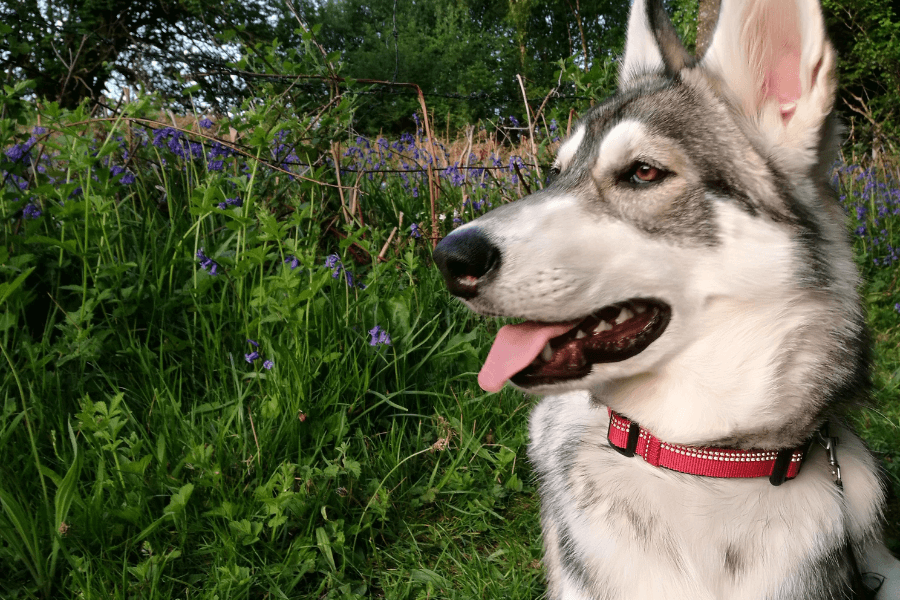
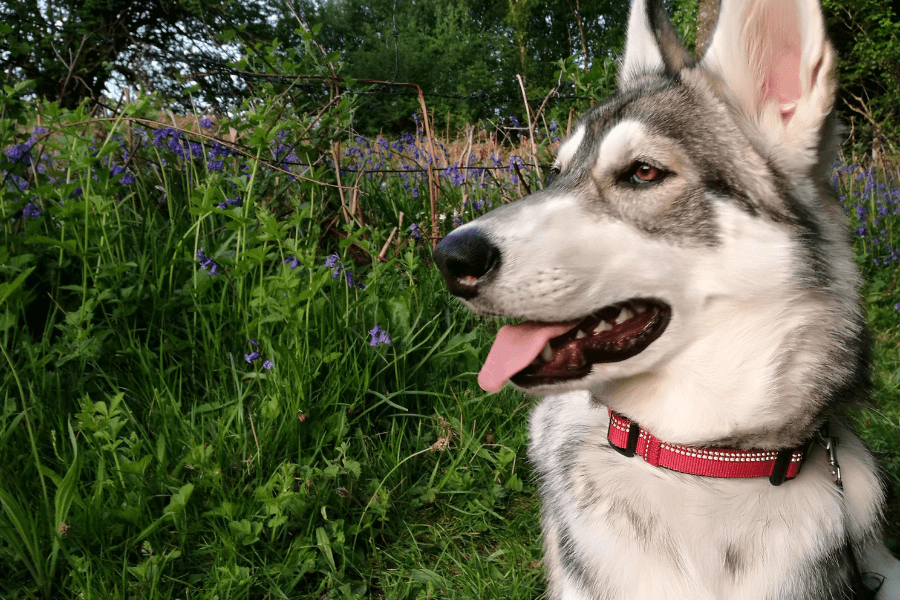
Northern Inuit Dogs, also known as Northern Inuits, NIs or NI Dogs, are a large and athletic breed originating from the United Kingdom in the 1980s. They were bred to look like a wolf while having the friendly, gentle temperament of a family companion. And were created by crossing those imported dogs with Siberian Huskies, Alaskan Malamutes and German Shepherds.
They have a dense, waterproof double coat with a slightly coarse texture and a longer ruff around the neck, which helps protect them from the elements. Northern Inuits have a striking, wolf-like presence and are known for being friendly, placid and outgoing. Despite their looks, today’s Northern Inuits have no recent wolf blood. They are famous for playing the direwolves in Game of Thrones.
Weight, height & life expectancy
Males typically stand at an average height of 64-76cms, while females are slightly smaller at 59-71cms. They weigh between 25-50kgs on average, with males usually heavier and more robust than females.
Northern Inuit dogs have a life expectancy of around 12-15 years.
What is the temperament of a Northern Inuit Dog?
Northern Inuit Dogs have a friendly, gentle and outgoing temperament. They are loyal, affectionate and form strong bonds with their families. But unlike many large breeds they are not territorial and make poor guard dogs. They are intelligent and can be strong-willed, but they are also a pack breed that craves company. This makes them prone to separation anxiety if left alone for long periods. They are generally friendly and inquisitive with strangers, and are more likely to greet a visitor than guard against one.
Northern Inuits are best known for their wolf-like looks and their work in film and television, and some are registered therapy dogs. They can be gentle and patient with children and other dogs, though their size and boisterous nature means they are best suited to families with older children. They often have a high prey drive, so they need supervision around small pets and should be kept on a lead near livestock. Some Northern Inuits rarely bark and prefer to howl instead.

How much exercise does a Northern Inuit Dog need?
Northern Inuit Dogs are a large, moderately active breed. Unlike some northern breeds, they don’t need excessive amounts of exercise, but they have good stamina and enjoy daily physical activity. On average, they need around 1-2 hours of exercise per day, which can be split into two walks or taken as one longer walk. They are also happy to spend all day out hiking with their owners, and can enjoy agility, canicross and dog scootering. Because of their prey drive, off-lead exercise is best in a secure, fenced area until their recall is reliable.
Northern Inuits are highly intelligent and need plenty of mental stimulation through training, and new activities that challenge their problem solving abilities. Without enough company and mental enrichment, they can become bored, which may lead to destructive behaviour, howling or escape attempts.
Northern Inuit puppies have different exercise needs compared to adult dogs. It’s important to provide them with age-appropriate activities that stimulate their minds and bodies without causing overexertion. Full exercise at an adult level can typically be introduced slowly around 18 months of age, but it’s best to consult with your veterinarian for specific exercise recommendations based on your pooch’s individual needs.
Need an extra hand exercising your Northern Inuit Dog? Find a local borrower today.
Do Northern Inuit Dogs need a lot of grooming?
Northern Inuit Dogs have a thick double coat that requires moderate grooming. They have a dense undercoat and a slightly coarse outer coat of around 3-5cm, which is longer on the ruff and hindquarters. Brushing three to four times a week with a slicker brush and an undercoat rake is recommended to remove loose hair and prevent matting.
Northern Inuits shed heavily during their seasonal coat changes, when daily brushing may be needed to manage the amount of hair in the house. They are generally a clean breed and don’t tend to have a strong doggy smell. They only need bathing occasionally, when they get dirty, as frequent bathing can strip the natural oils from their coat.
Like any dog, regular tooth brushing with a dog-specific toothpaste twice daily is ideal. If you can’t manage that often, do it as often as you can.

Are Northern Inuit Dogs easy to train?
Northern Inuit Dogs are intelligent and independent pups with a stubborn streak, which can make training a challenge. They are not recommended for novice owners, and even people experienced with German Shepherds can find them hard to train. Their natural instincts are to chase and hunt small animals, stay close to their pack, and howl, rather than to guard. They can become bored and impatient. So keep training sessions short, fun, varied and mentally stimulating to keep them engaged.
Northern Inuit Puppies
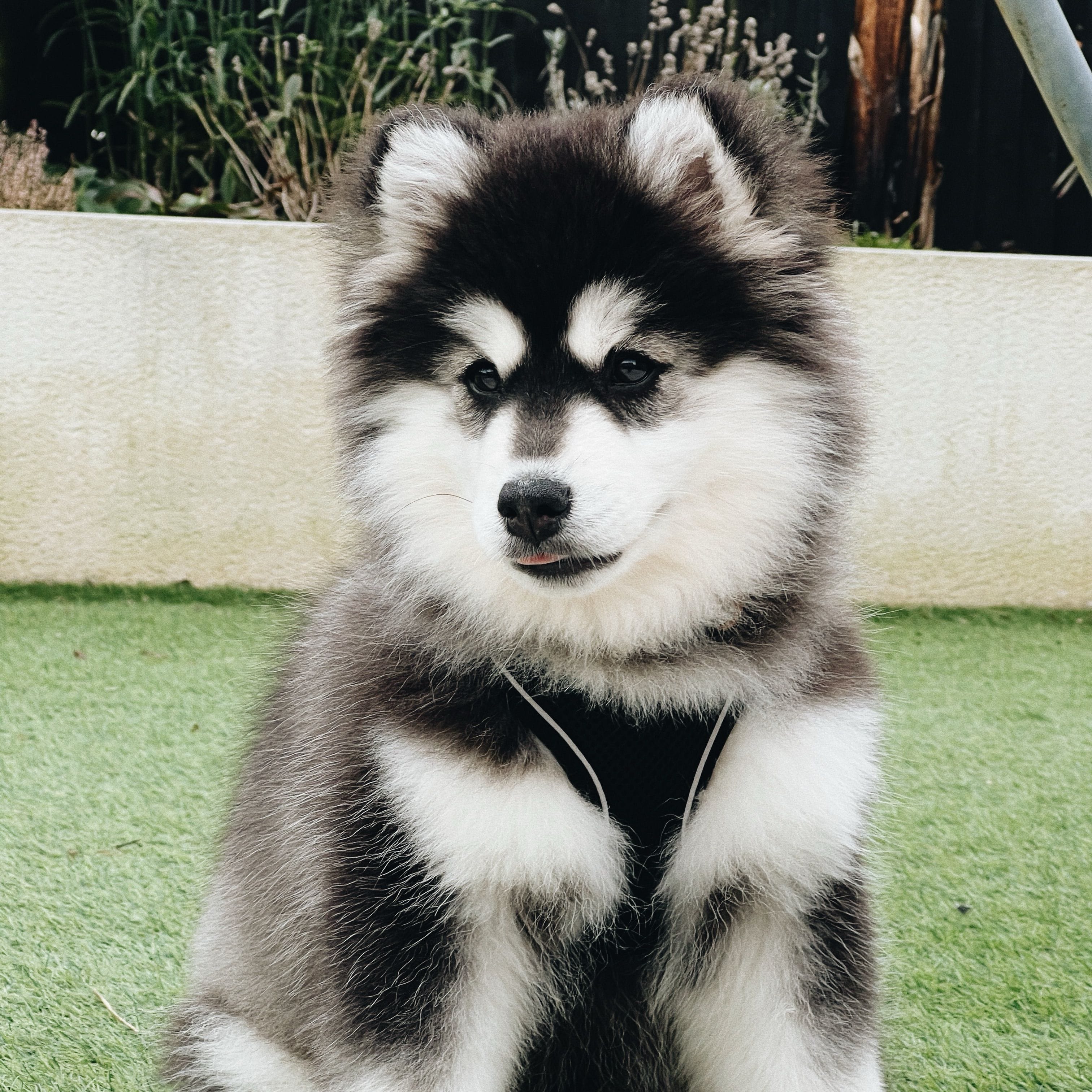
Start training your Northern Inuit puppy from a young age, focusing on recall, lead manners, basic obedience and getting used to short periods alone. Introducing them calmly to livestock and small animals early on can help manage their prey drive. Positive reinforcement techniques, using rewards and praise, work best with this breed, alongside clear and consistent boundaries. Patience, consistency, and positive reinforcement are key to successful training with Northern Inuits.
Want to experience spending time with a Northern Inuit to decide if this breed is right for you? Borrow a Northern Inuit near you.
What do Northern Inuit Dogs eat?
NI dogs thrive on meat forward diets. Adult Northern Inuits do best on 2 meals a day, as splitting their food helps reduce the risk of bloat. Some Northern Inuits have sensitive stomachs, so a consistent, good-quality diet is important. Monitor their weight and adjust portion sizes accordingly to prevent obesity, which puts extra strain on their joints.
Northern Inuit puppies have specific dietary needs to support their growth and development. It’s important to provide them with a balanced and high-quality puppy food formulated for large breeds. Follow the feeding guidelines provided on the puppy food packaging, but typically, they require 3-4 meals a day until around 6 months of age. From around 6 months, the number of meals can be reduced to 2 meals per day.
As they reach their adult size and maturity, usually around 12-18 months of age, you can transition them to an adult dog food suitable for large breeds, changing gradually over about a week. Providing fresh water at all times is essential.
Are Northern Inuit Dogs healthy?
Northern Inuits are generally a healthy breed, and most live happy, healthy lives. However, like any dog, they may be prone to certain health conditions. Northern Inuit Society breeders must hip, elbow and eye test their dogs under the British Veterinary Association (BVA) schemes before breeding. Some of the health concerns that may affect Northern Inuits include:
Bones and joints
- Hip Dysplasia - a condition where the thigh bone and pelvis do not sit together properly at the hip joint, which can lead to discomfort and arthritis. Like many large breeds, Northern Inuits can be prone to it, although reported cases are low.
- Elbow Dysplasia - a condition where the bones of the elbow joint do not fit together properly, causing lameness and arthritis.
- Oculoskeletal Dysplasia (OSD3) - an inherited condition causing shortened, bowed legs and abnormal joints in affected puppies, alongside eye problems.
- Degenerative Myelopathy (DM) - a progressive, non-painful disease of the spinal cord in older dogs, usually starting between 8 and 14 years, which causes wobbliness and weakness in the hind legs
Eyes
- Glaucoma - a painful build-up of pressure inside the eye that can lead to blindness if not treated quickly
- Cataracts - clouding of the lens of the eye, which can affect vision and is seen in puppies affected by Oculoskeletal Dysplasia
Gastrointestinal
Gastric Dilation Volvulus (GDV) - this occurs when the stomach twists and gas and contents get trapped inside. It is a very serious condition and a vet should be contacted immediately. As a large, deep-chested breed, Northern Inuits can be at risk, so feeding two smaller meals a day and avoiding exercise straight after eating is recommended. Some Northern Inuits are also prone to sensitive stomachs and digestive upsets.
Other conditions
- Cryptorchidism - where one or both testicles fail to descend in male dogs
- Epilepsy and Addison’s disease - a small number of cases of both have been reported in the breed
This list is by no means comprehensive, if you have any concerns about the health of your dog, or if you want to discuss further if a Northern Inuit Dog is right for you, consult with your vet.

Vet top tip
Give your Northern Inuit the best start in life by choosing a responsible breeder who can provide both parents’ BVA hip, elbow and eye certificates, along with the stud dog’s Degenerative Myelopathy (DM) test result. As your pooch gets older, keeping an eye on their mobility is a great way to help them stay happy and healthy.


Information on this page should never replace advice given by your veterinarian. Potential health issues presented are given as a guide only and are not meant to be comprehensive. If you ever have any concerns about your dog’s health contact your local vet.