Pomsky breed guide: Care, training, and fun facts
28 October 2026

Breed guide overview
About Pomskies
Temperament
Exercise
Grooming
Training
Diet
Health

About the Pomsky breed
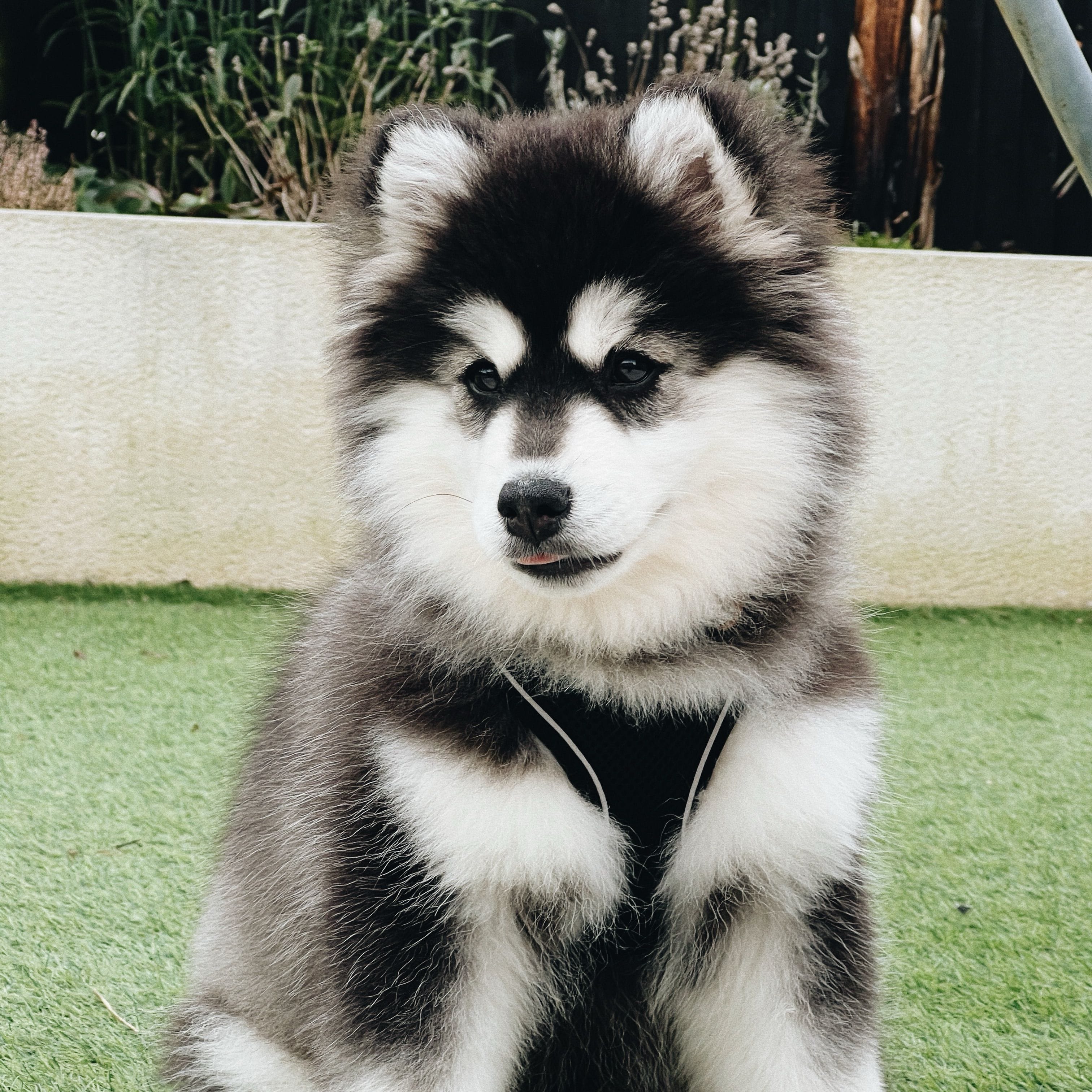
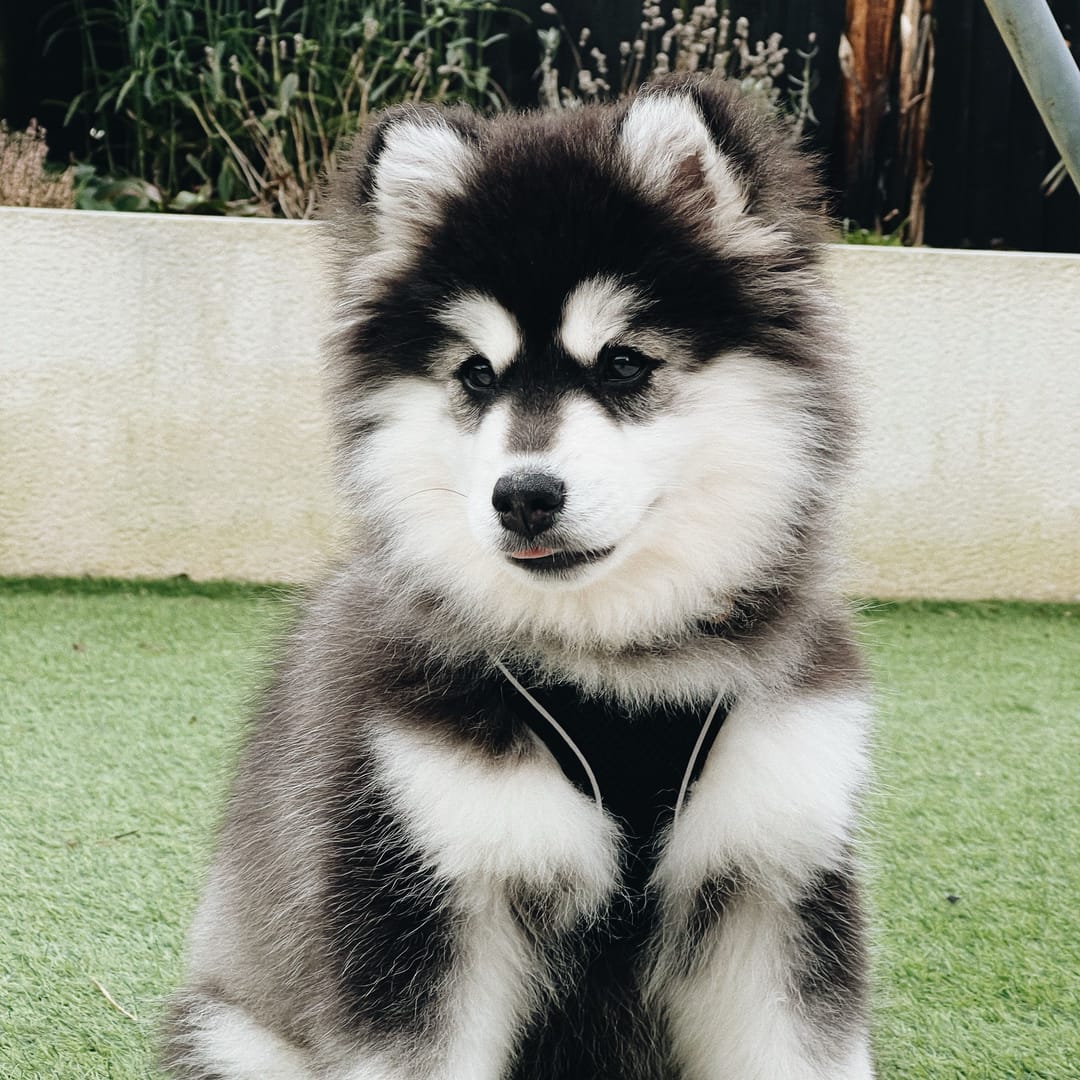
Pomskies, also known as the Pomeranian Husky or Huskeranian, are a small to medium-sized and lively crossbreed originating from the United States, created by crossing the Pomeranian dog (originally from Germany) with the Siberian Husky (originally from Siberia, Russia). They were primarily bred as companion dogs, designed to capture the Siberian Husky’s striking, wolf-like looks in a smaller, more manageable size. They often look like permanent husky puppies. They have a thick, fluffy double coat that often features Husky-style facial “mask” markings and comes in a wide range of colours. Pomskies have a playful, affectionate and spirited personality and are known for their intelligence and chatty, vocal nature. Although similar in appearance, the Pomsky and the Alaskan Klee Kai are separate breeds, and as a crossbreed the Pomsky is not recognised by The Kennel Club.
Weight, height & life expectancy
Males typically stand at an average height of 28–38cms, while females are slightly smaller at 25–35cms. They weigh between 7–14kgs on average. As a pomeranian crossbreed with no official breed standard, a Pomsky’s size can vary quite a lot depending on the size of its parents and its generation.
The breed has a life expectancy of around 12–15 years.
Pomskies have a playful, affectionate and confident temperament. They are loyal and devoted to their family and, as alert and vocal dogs, will often bark to let you know about visitors or anything unusual on their territory. They are intelligent and independent-minded but very people-focused, which means they can be prone to separation anxiety and don’t like being left alone for long periods. Pom cross breeds are unpredictable with strangers; they can be friendly or suspicious depending on which parent they take after, with the wariness coming from the Pom parent! Early, intensive socialisation and proper training are crucial to ensure they become well-adjusted and well-mannered dogs.
Pomskies are known for their wolf-like good looks, their chatty nature and for being lively, loving companion dogs. While they can be good with older children and other dogs when properly socialised, they may display a strong prey drive, inherited from the Husky, which can lead them to chase cats and small pets, and they may become snappy if handled roughly. They should always be supervised around young children and smaller animals.

How much exercise does a Pomsky need?
Pomskies are a small to medium and energetic breed that requires a moderate to high amount of exercise. They have good stamina and love physical activity, thanks to their Husky heritage. On average, they need around 1 to 1.5 hours of exercise per day. This can include brisk walks, play in a securely fenced area, games of fetch and chase, and dog sports such as agility. Many Pomskies inherit the Husky’s urge to run off, so a well-fitted harness and lead are a good idea in unfenced areas.
Pomskies also benefit from mental stimulation through puzzle feeders, snuffle mats, scent games and trick training. It’s important to provide them with regular exercise and mental enrichment to prevent boredom-related behaviours, such as chewing, digging and excessive barking, and to keep them physically and mentally fit.
Pomsky puppies have different exercise needs compared to adult dogs. As small to medium-sized and growing puppies, they require careful management of their exercise to avoid putting excessive strain on their developing bones and joints. It’s important to provide them with age-appropriate activities that stimulate their minds and bodies without causing overexertion. Full exercise at an adult level can typically be introduced slowly from around 12 months of age, but it’s best to consult with your veterinarian for specific exercise recommendations based on your pooch’s individual needs.
Need an extra hand exercising your Pomsky? Find a local borrower today.
Do Pomskies need a lot of grooming?
Pomskies have a thick, fluffy double coat that requires a lot of grooming. They have a soft, dense undercoat beneath a longer outer coat, and they shed all year round. Regular brushing, ideally daily or at least every other day, with a slicker brush and an undercoat rake will remove loose hair and prevent tangles and mats, especially behind the ears, on the legs and around the tail.
During shedding seasons, when Pomskies “blow” their undercoat around twice a year, more frequent brushing may be necessary to manage the amount of hair in the house. Pomskies are a fairly clean breed and don’t usually have a strong doggy smell. They only need a bath every 6–8 weeks or when they get dirty, as bathing too often can strip the natural oils from their coat. Always dry their thick coat thoroughly afterwards.
Like any dog, regular tooth brushing with a dog-specific toothpaste twice daily is ideal. This is especially important for Pomskies, as they can be prone to dental disease. If you can’t manage that often, just do it as often as you can.

Pomskies are highly intelligent and independent, which can make training a challenge at times. They have a natural instinct to chase, run off and be vocal, so proper socialisation and early training are crucial. Keep training sessions interesting, varied, and mentally stimulating to keep them engaged.
Pomsky Puppies
Start training your Pomsky puppy from a young age, focusing on recall, walking nicely on a lead and harness, getting used to being left alone for short periods, and managing barking. Reward-based techniques using food treats, praise and play, in short and fun sessions, work best with this breed. Early and ongoing socialisation with a wide range of people, animals, and environments is vital to ensure they grow up to be well-rounded and well-behaved dogs. Patience, consistency, and positive reinforcement are key to successful training with Pomskies.
Want to experience spending time with a Pomsky to decide if this breed is right for you? Borrow a Pomsky near you.
What do Pomskies eat?
Pomsky puppies have specific dietary needs to support their growth and development. It’s important to provide them with a balanced and high-quality puppy food formulated for small to medium breeds. Follow the feeding guidelines provided on the puppy food packaging, but typically, they require 3–4 meals a day until around 6 months of age. At this time, the number of meals can be reduced to 2 meals per day.
As they reach their adult size and maturity, usually around 10–12 months of age, you can transition them to an adult dog food suitable for small to medium breeds. It’s important to monitor their weight and adjust the portion sizes accordingly to prevent obesity, as Pomskies can be very food-motivated and gain weight easily. Providing fresh water at all times is essential.
Are Pomskies healthy?
Pomskies are generally a healthy breed, but like any dog, they may be prone to certain health conditions. As a crossbreed, they can inherit conditions from either their Pomeranian or Siberian Husky parent. Some of the health concerns that may affect Pomskies include:
Bones and joints
- Patellar Luxation - a condition where the kneecap slips out of place, which can cause a skipping step, lameness and discomfort (commonly seen in small breeds such as the Pomeranian)
- Hip Dysplasia - a condition where the thigh bone and pelvis do not sit together properly at the hip joint, which can lead to discomfort and arthritis
- Legg-Calvé-Perthes Disease - a condition where the blood supply to the top of the thigh bone is reduced, causing the bone to break down, which leads to pain and lameness, usually in young dogs
Eyes
- Cataracts - a clouding of the lens of the eye that can affect vision (Huskies can develop juvenile cataracts at a young age)
- Progressive Retinal Atrophy (PRA) - an inherited condition where the retina gradually deteriorates, leading to vision loss and eventually blindness
- Corneal Dystrophy - a condition where cloudy, greyish-white deposits form on the cornea, the clear surface of the eye
Gastrointestinal
Sensitive stomach - some Pomskies can have sensitive digestion and may be prone to tummy upsets, such as vomiting or loose stools, particularly after a sudden change of diet or rich treats and table scraps. Changing foods gradually over about a week and sticking to a consistent, high-quality diet can help. If your dog has persistent vomiting or diarrhoea, blood in their stools, or seems unwell, contact your vet.
This list is by no means comprehensive, if you have any concerns about the health of your dog, or if you want to discuss further if a Pomsky is right for you, consult with your vet.

Vet top tip
Practise recall and alone time early! Pomskies often inherit the Husky’s love of running off and can struggle when left on their own. Practice recall in a safe, enclosed space, use a secure harness on walks, and build up short periods of time alone gradually from puppyhood to help prevent separation anxiety.


Information on this page should never replace advice given by your veterinarian. Potential health issues presented are given as a guide only and are not meant to be comprehensive. If you ever have any concerns about your dog’s health contact your local vet.