Puggle Dog breed guide: Care, training, and fun facts
26 November 2026

Breed guide overview
About Puggles
Temperament
Exercise
Grooming
Training
Diet
Health

About the Puggle breed
The Puggle is a cross between the Pug and the Beagle, first bred in Wisconsin, USA, in the 1980s. Also known as the Pug-Beagle mix or Pugle, this hybrid dog is usually the offspring of a male Pug and female Beagle.
Puggles were bred as companion dogs, blending the Pug’s affectionate nature with the Beagle’s longer muzzle and lively spirit. Wisconsin breeder Wallace Havens bred the first deliberate litters, and coined the name.
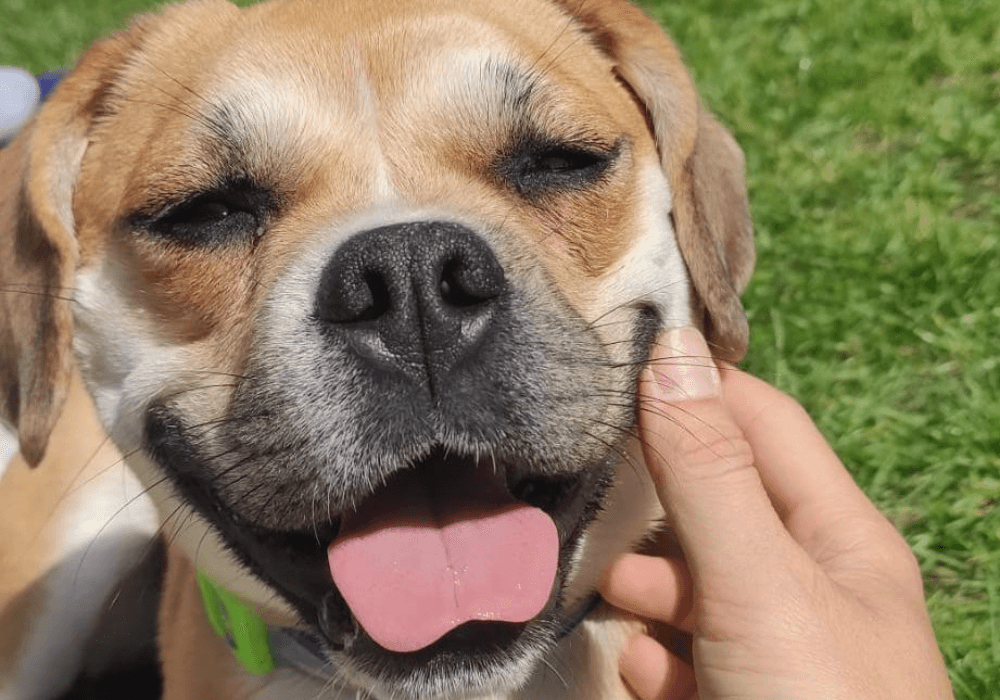
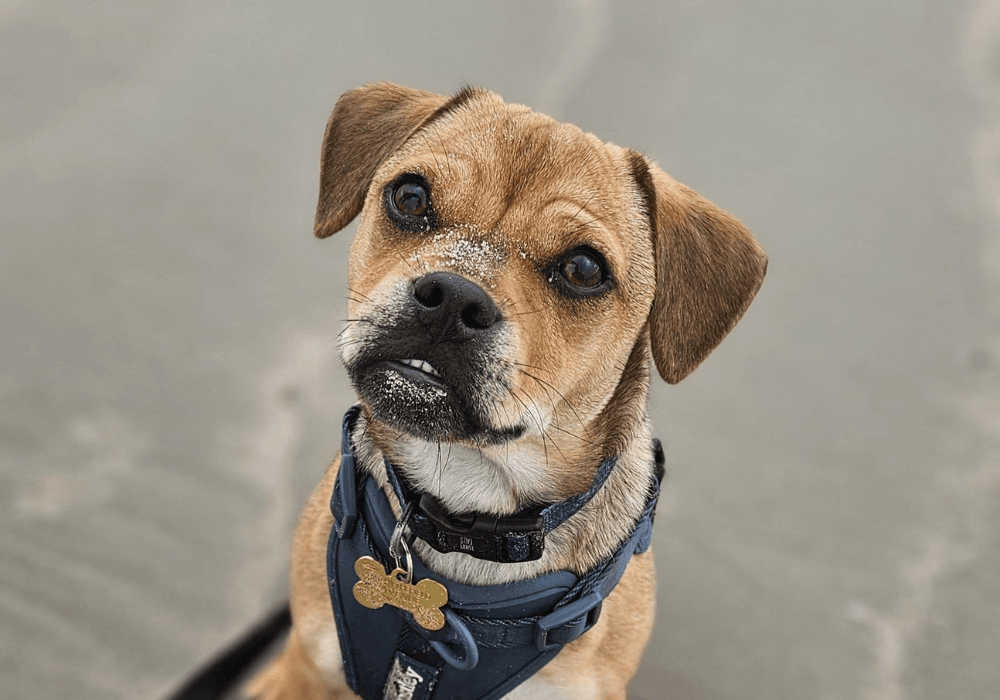
Puggles have a short, smooth double coat with a dense undercoat, so they shed more than their size suggests. Common colours include fawn, black, red, tan and lemon, often with white, and many have a black mask around the eyes. Physical traits can include the Pug’s forehead wrinkles or the Beagle’s floppy ears.
As a crossbreed, the Puggle isn’t recognised by The Kennel Club and has no official breed standard.
Weight, height & life expectancy
Male Puggles typically stand 25-38cm at the shoulder, while females are usually slightly smaller at around 25-36cm. Adults weigh 7-14kg on average. These figures are for the standard Puggle; a smaller variety, the Pocket Puggle, weighs roughly half as much.
The Puggle has a life expectancy of around 10-15 years.
What is the temperament of a Puggle?
Puggles have a friendly, outgoing and affectionate temperament. They’re devoted to their families and are great with children (always supervise young children). They're vocal, but not territorial, and are too sociable to make good guard dogs. They will usually greet strangers with a wagging tail once they’ve had a good sniff.
Puggles can be prone to separation anxiety if left alone for long periods. Boredom and loneliness often show up as barking, howling, chewing or toileting indoors. Build up time alone gradually and leave them with puzzle toys to keep them settled.
They generally get along well with other dogs. Their scent drive means they may chase cats or small pets, so early, careful introductions are important.
A Bugle that catches an interesting scent will often ignore everything else, (including you!) They’re known escape artists, so a secure garden and close supervision off the lead are a must.

How much exercise does a Puggle need?
Puggles are a moderately active breed that need around an hour of exercise a day, split into two or more walks. They have good stamina in short bursts and love sniffing walks, games of fetch and playing in a secure garden. Their shorter muzzle makes them poor jogging partners, so avoid long runs and hot weather.
These pups need plenty of mental stimulation to keep their busy noses and minds out of mischief. Scent work, snuffle mats, hide-and-seek with treats and puzzle feeders suit their Beagle side perfectly. Short training games also burn mental energy and help prevent boredom fuelled barking.
Puggle puppies need short, gentle exercise to protect their growing joints. A common guide is five minutes of structured walking per month of age, up to twice a day, plus free play at home. Most Puggles finish growing at around 12 months, when you can gradually build up to adult-level exercise, but check with your vet first.
Need an extra hand exercising your Puggle? Find a local borrower today.
Do Puggles need a lot of grooming?
Puggles need low to moderate grooming, with a weekly brush to manage their shedding. A rubber curry mitt or bristle brush works well on their short, dense coat. Brush two or three times a week during the spring and autumn moults, when they shed most heavily.
Puggles are fairly clean dogs, but they can develop a doggy smell if their skin folds and ears aren’t kept clean. Wipe any facial wrinkles daily and dry them thoroughly. Check and clean their floppy ears weekly, as both parent breeds are prone to ear infections.
Puggles only need a bath every one to two months, or when they’ve rolled in something smelly. Bathing too often can strip the natural oils from their skin.
Like any dog, regular tooth brushing with a dog-specific toothpaste twice daily is ideal. If you can’t manage that often, just do it as often as you can.

Are Puggles easy to train?
Puggle dogs are intelligent but stubborn, which makes them moderately difficult to train. Both parent breeds have an independent streak, and the Beagle’s nose can easily win out over your commands. Patience and consistency matter more than strict sessions.
A Puggle’s natural instincts are to sniff, track, play and use their voice. Many inherit the Beagle’s howl and will bark at unusual sounds or visitors. Channel these instincts with scent games rather than trying to stop them completely.
Puggle Puppies
Early training should focus on recall, lead walking and house training. Practise recall in a secure area from a young age, and use a harness rather than a collar to protect their airway. House training can take longer than with some breeds, so stick to a regular routine.
Positive reinforcement with treats and praise works best for Puggles, as they’re highly food-motivated. Keep sessions short and fun, ideally after playtime when they’ve burned off some energy. Take training treats from their daily food allowance to avoid weight gain.
Want to experience spending time with a Puggle to decide if this breed is right for you?
What do Puggles eat?
Puggle puppies need three to four small meals a day of high-quality small-breed puppy food until around four to six months old. From then, you can reduce this to two meals a day. Follow the feeding guidelines on the packaging and adjust portions as your puppy grows.
Puggles can usually move onto adult food at around 12 months of age, once they’ve reached their full size. Adults do best on two measured meals a day, morning and evening. Always provide fresh water.
Puggles have a big appetite and a Beagle nose, so they gain weight easily and will scavenge whenever they can. Avoid free feeding and keep bins and food cupboards secured. A slow-feeder bowl or snuffle mat can stop them gulping their food and swallowing air.
Are Puggles healthy?
Puggles are generally healthy dogs, but they can inherit conditions from both the Pug and the Beagle. Their longer muzzle means fewer breathing problems than Pugs, though they may still snore and overheat easily.
Health concerns that may affect Puggles include:
Bones and joints
- Patellar luxation – the kneecap slips out of place, causing a skip or “bunny hop” in the back legs. Mild cases may need no treatment, but severe cases can need surgery.
- Hip dysplasia – the hip joint develops loosely, which can lead to pain and arthritis. Keeping your Puggle lean reduces strain on the joints.
- Intervertebral disc disease (IVDD) – a disc between the bones of the spine bulges or bursts and presses on the spinal cord, causing pain or weakness. The Beagle is one of the breeds most often affected, so discourage jumping on and off furniture.
- Hemivertebrae – one or more bones in the spine form in an abnormal wedge shape, which can press on the spinal cord. It’s linked to the screw-shaped tail inherited from the Pug.
Eyes
- Cherry eye - a gland in the third eyelid pops out, appearing as a red lump in the inner corner of the eye. It comes from the Beagle side and is usually corrected with surgery.
- Entropion – the eyelids roll inwards, causing the lashes to rub on the surface of the eye.
- Corneal ulcers – a painful sore on the clear surface of the eye, often caused by a scratch. Puggles with the Pug’s more prominent eyes are at greater risk.
Gastrointestinal
- Dietary indiscretion – vomiting and diarrhoea caused by eating something they shouldn’t, such as rubbish or food scraps. Puggles’ scavenging habits make this common, so keep food well out of reach.
- Pancreatitis – painful inflammation of the pancreas, often triggered by fatty food. Being overweight raises the risk, which is another reason to keep your Puggle lean.
- Excess wind and regurgitation – swallowing air while gulping food can cause flatulence and vomiting. A slow-feeder bowl helps them eat more calmly.
This list is by no means comprehensive. If you have any concerns about the health of your dog, or want to discuss whether a Puggle is right for you, consult your vet.

Vet top tip
Walk your Puggle on a harness rather than a collar, and stick to the cooler parts of the day in summer. Their shorter muzzle makes them prone to overheating, and pulling on a collar puts extra pressure on the airway. If their snoring or noisy breathing gets worse, or they tire quickly on walks, ask your vet to check their airway.


Information on this page should never replace advice given by your veterinarian. Potential health issues presented are given as a guide only and are not meant to be comprehensive. If you ever have any concerns about your dog’s health contact your local vet.