Belgian Malinois Dog breed guide: Care, training, and fun facts
17 September 2026

Breed guide overview
About Belgian Malinois
Temperament
Exercise
Grooming
Training
Diet
Health

About the Belgian Malinois breed
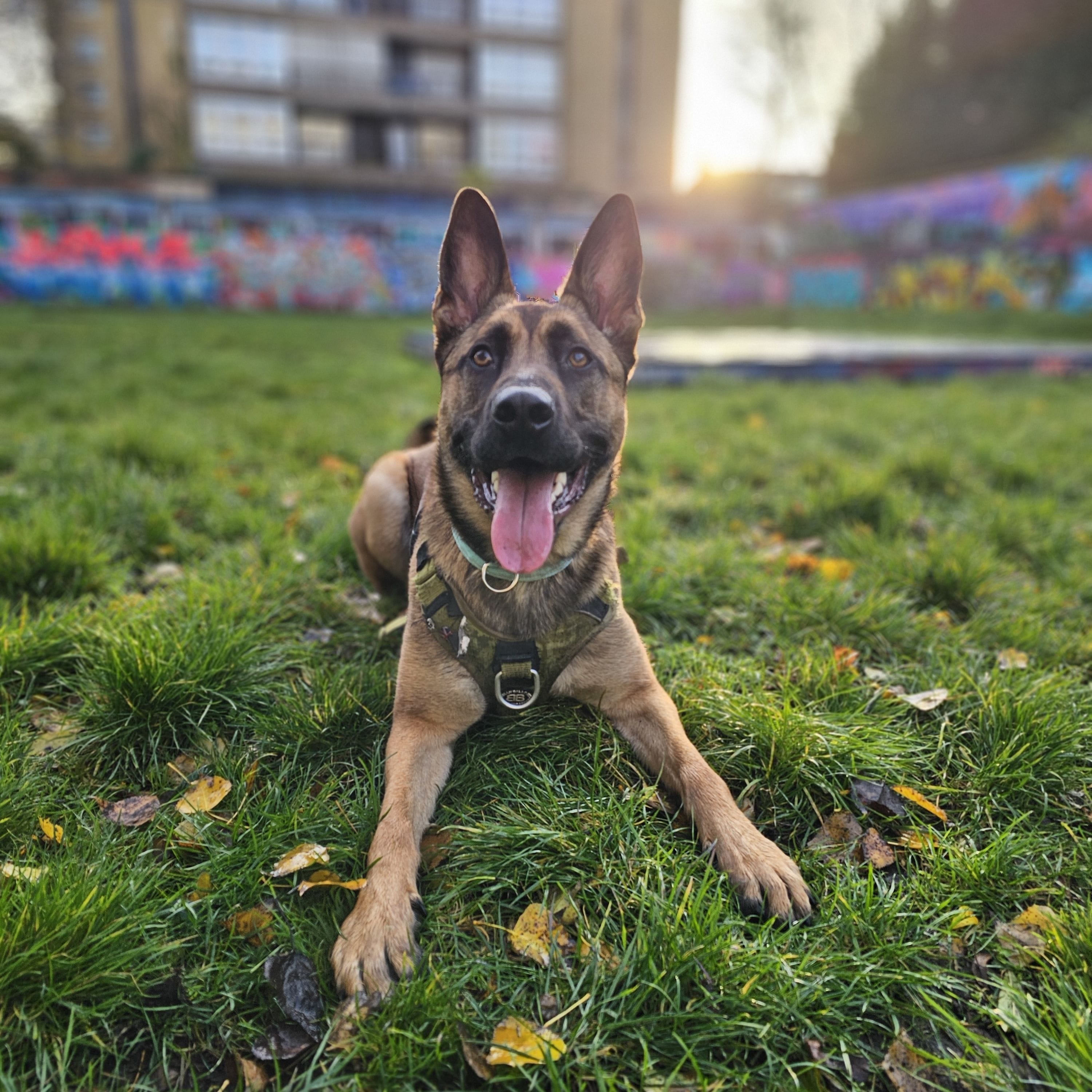
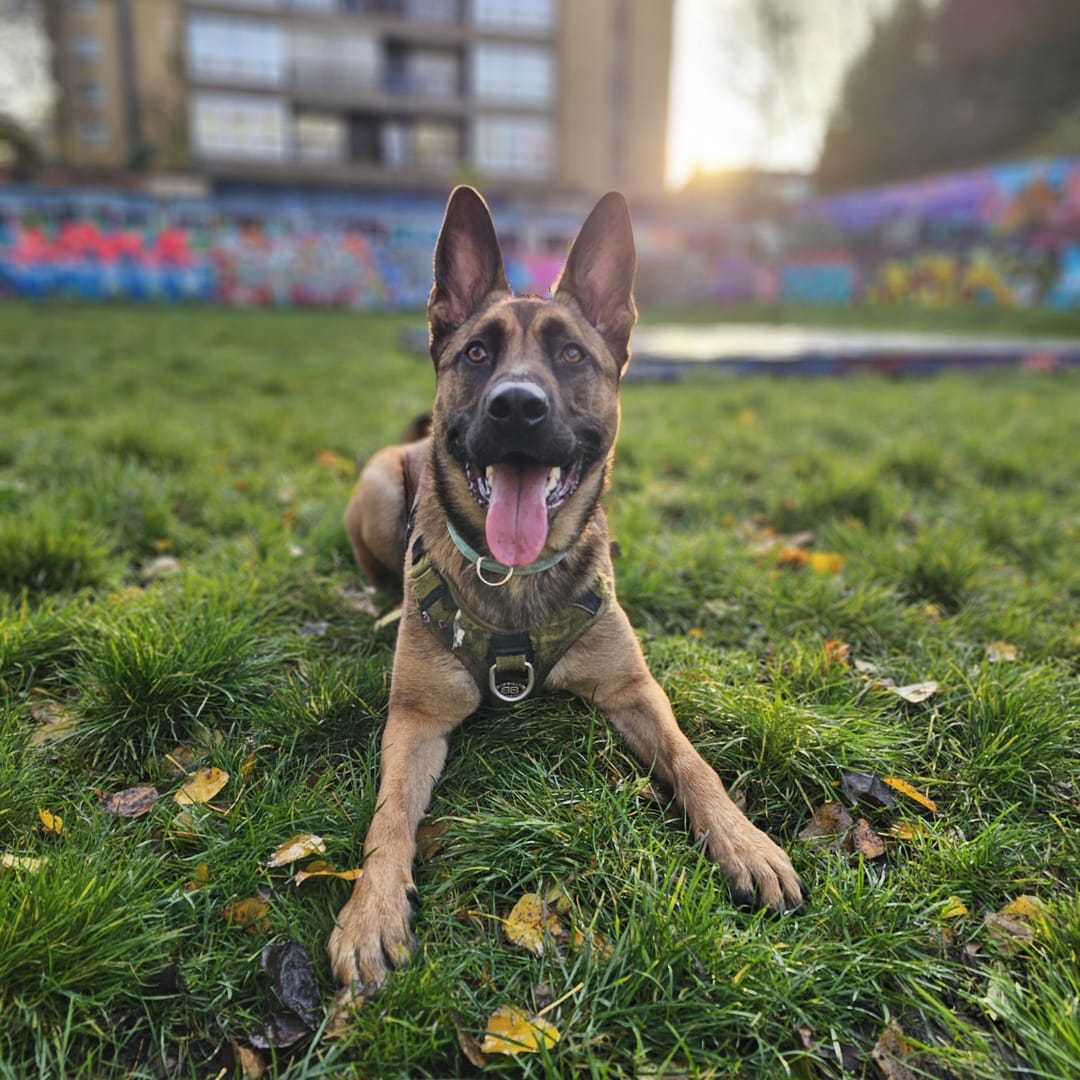
Belgian Malinois Dogs, a variety of the Belgian Shepherd, are a large and powerful breed originating from Mechelen, in Belgium. They were primarily bred for small farms, where they would guard, herd and even pull carts. They have a short, straight, weather resistant double coat that helps protect them from the elements. Belgian Malinois have a majestic presence and are known for their protective instincts.
Weight, height & life expectancy
Males typically stand at an average height of 61-62cms, while females are slightly smaller at 56-61cms. They weigh between 18-36 kg on average.
The breed has a life expectancy of around 10-14 years.
What is the temperament of an Belgian Malinois Dog?
Belgian Malinois Dogs have an intense, energetic and intense temperament. They are fiercely loyal and protective of their families and territory. They are excellent watchdogs and can be somewhat reserved or suspicious of strangers. Early socialisation and intense training are crucial to ensure they become well-adjusted and well-mannered dogs.
Belgian Malinois are known for their exceptional guarding abilities and are instinctive herders. While they can be properly socialised, they have a strong herding and prey instinct and need supervision when interacting with unfamiliar individuals or pets. Some trainers recommend against a Malinois if you have children under 12. Even at older ages, parental supervision is advised.

How much exercise does a Belgian Malinois need?
Belgian Malinois Dogs are a large and very active breed that requires a good amount of exercise. They have good stamina and enjoy daily physical activities. On average, they need around 2 hours of exercise per day. This can include long walks, running, swimming or high intensity play sessions in secure areas, coupled with stimulating intellectual fun.
Belgian Malinois need mental stimulation through training, agility and engaging activities that challenge their problem-solving abilities. It's important to provide them with regular exercise and mental enrichment to prevent boredom-related behaviours and to keep them physically and mentally fit.
Belgian Malinois puppies have different exercise needs compared to adult dogs. As large and growing puppies, they require careful management of their exercise to avoid putting excessive strain on their developing bones and joints. It's important to provide them with age-appropriate activities that stimulate their minds and bodies without causing overexertion. Full exercise at an adult level can typically be introduced slowly around 18 months of age, but it's best to consult with your veterinarian for specific exercise recommendations based on your pooch's individual needs.
Need an extra hand exercising your Belgian Malinois Dog? Find a local borrower today.
Do Belgian Malinois need a lot of grooming?
Belgian Malinois Dogs have a type of coat that doesn’t need much grooming. They have a thick undercoat and a slightly longer outer coat that provides insulation. Weekly brushing with a slicker brush or rubber curry brush is ideal.
Twice a year in Spring and Autumn, they ‘blow’ their undercoat and will need daily brushing with an undercoat rake. Never shave their coat, as it will disrupt their weather resistance and ability to control their own temperature. Belgian Malinois are a clean breed and typically do not have a strong dog odour. They only require occasional bathing when needed.
Like any dog, regular tooth brushing with a dog-specific toothpaste twice daily is ideal. If you can’t manage that often, just do it as often as you can.

Are Belgian Malinois easy to train?
Belgian Malinois Dogs are intelligent and independent thinkers, which can make training a bit challenging. They have a natural instinct to protect and guard, so proper socialisation and early training are crucial. Keep training sessions interesting, varied, and mentally stimulating to keep them engaged.
Belgian Malinois Puppies
Start training your Belgian Malinois puppy from a young age, focusing on impulse control and mental stimulation. Good recall and bite inhibition are key to good socialisation. Positive reinforcement techniques, using food rewards and praise, work best with this breed. Early and ongoing socialisation with a wide range of people, animals, and environments is vital to ensure they grow up to be well-rounded and well-behaved dogs. Patience, consistency, and positive reinforcement are key to successful training with Belgian Malinois.
Want to experience spending time with an Belgian Malinois to decide if this breed is right for you?
What do Belgian Malinois Dogs eat?
Belgian Malinois puppies have specific dietary needs to support their growth and development. It's important to provide them with a balanced and high-quality puppy food formulated for large breeds. Follow the feeding guidelines provided on the puppy food packaging, but typically, they require 3-4 meals a day until around 6 months of age. At around 6-8 months, the number of meals can be reduced to 2 meals per day.
As they reach their adult size and maturity, usually around 12-18 months of age, you can transition them to an adult dog food suitable for large breeds.
Are Belgian Malinois healthy?
Belgian Malinois are generally a healthy breed, but like any dog, they may be prone to certain health conditions. Some of the health concerns that may affect Belgian Malinois include:
Bones and joints
- Elbow Dysplasia - this condition is where there is an issue with how the bones fit together at the elbow joint
- Hip Dysplasia - a condition where the thigh bone and pelvis do not sit together properly at the hip joint, which can lead to discomfort and arthritis (although not as commonly seen as in some other breeds)
Eyes
- Progressive Retinal Atrophy (PRA): An inherited degeneration of retinal cells that leads to gradual, incurable vision loss and night blindness.
- Cataracts: A clouding and hardening of the eye lens that impairs vision over time.
- Pannus and Persistent Pupillary Membrane: Inflammatory corneal changes from UV exposure (pannus) and leftover embryonic membrane tissue.
Gastrointestinal
Gastric Dilation Volvulus (GDV) - this occurs when the stomach twists and gas and contents get trapped inside. It is a very serious condition and a vet should be contacted immediately. Although this is not as commonly seen in Belgian Malinois as some other large breed dogs, it is important to watch for the signs of this dangerous condition.
This list is by no means comprehensive, if you have any concerns about the health of your dog, or if you want to discuss further if an Belgian Malinois Dog is right for you, consult with your vet.

Vet top tip
Socialise early and consistently! Belgian Malinois are natural guard dogs with strong protective instincts. To ensure they grow into well-rounded and manageable companions, train them well and carefully from a young age.


Information on this page should never replace advice given by your veterinarian. Potential health issues presented are given as a guide only and are not meant to be comprehensive. If you ever have any concerns about your dog’s health contact your local vet.