This July 24th is International Self Care Day, run by the Global Self-Care Federation (GSCF). Their focus in 2026 is on prevention. GSCF's new study, The Global Social and Economic Value of Self-Care 2.0, measures the preventive value of self-care interventions. They found that they are cost effective, reduce doctors’ visits and improve quality of life.
Resilience is a key component of preventative self care, but it’s often misunderstood. In this article we will explore what resilience is, how to build it, and how dog walking can improve your health, wellbeing and social connection.
What is Resilience?
Resilience is the ability to adapt, cope and bounce back from stressful situations. Resilient people still experience distress and difficulty; they just handle it with more ease. It’s not something you’re born with. You can build or improve resilience at any age or life stage, and we all have the capacity to do it.
It’s often confused with toughing things out, or ‘pushing through’, which can keep you stuck in unhelpful habits and lead to burnout. But it’s actually about being more flexible, being able to roll with things, and practising self care to set yourself up for success.
It’s impawtent to note that resilience isn’t stress management; it’s about coping better with future stress - filling your cup before stressful situations.

How to Build Resilience
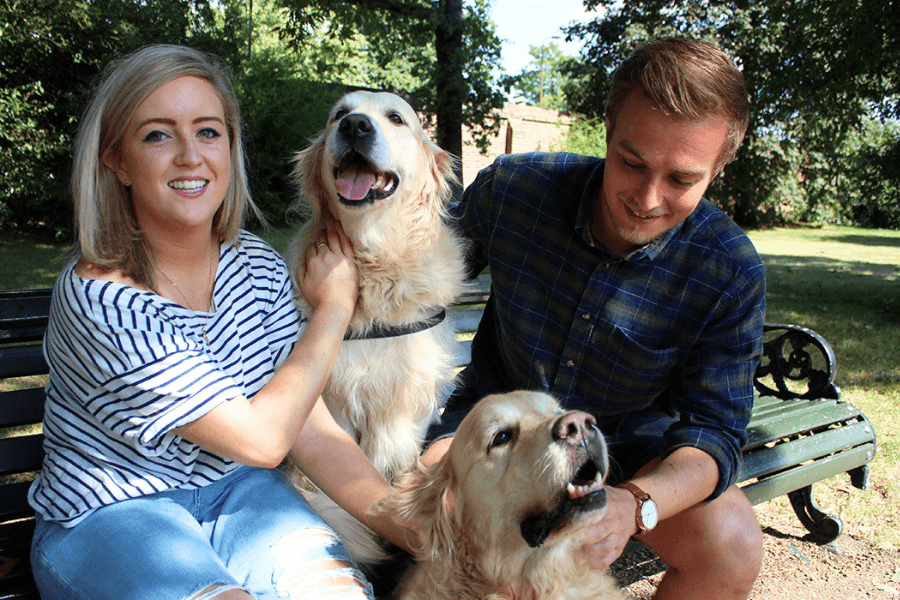
“Joining BorrowMyDoggy has changed my life completely, it has brought so much joy to my life. Not only has it brought me happiness, but it has helped me to get out walking, supporting my mental health after working from home for nearly 18 months.” - Katie
Did you know that how we react to stress can have immediate effects on our immune systems and lasting implications on our health and well-being?
So - how to improve your resilience? Researchers have identified a few evidence based building blocks. These include physical health, adaptability, positive thinking, purpose and social connection.
Physical health involves getting the right nutrition, enough sleep, moderating bad habits and getting enough movement. This helps to regulate cortisol, improve self esteem and self efficacy. It’s one of the key protective factors for resilience against the hassles of everyday life. And while it can be hard to incorporate physical activity into an already busy lifestyle, small steps can make all the difference. There’s no need to start cross fit or run a marathon; a 30 minute walk or cycle can reduce stress.
Incremental goal setting is great for people new to exercise, along with celebrating small wins to build confidence. Develop realistic goals - even small exercise ‘snacks’, like playing tug with your furry friend, or a quick walk around the block.
Spending Time with a Dog
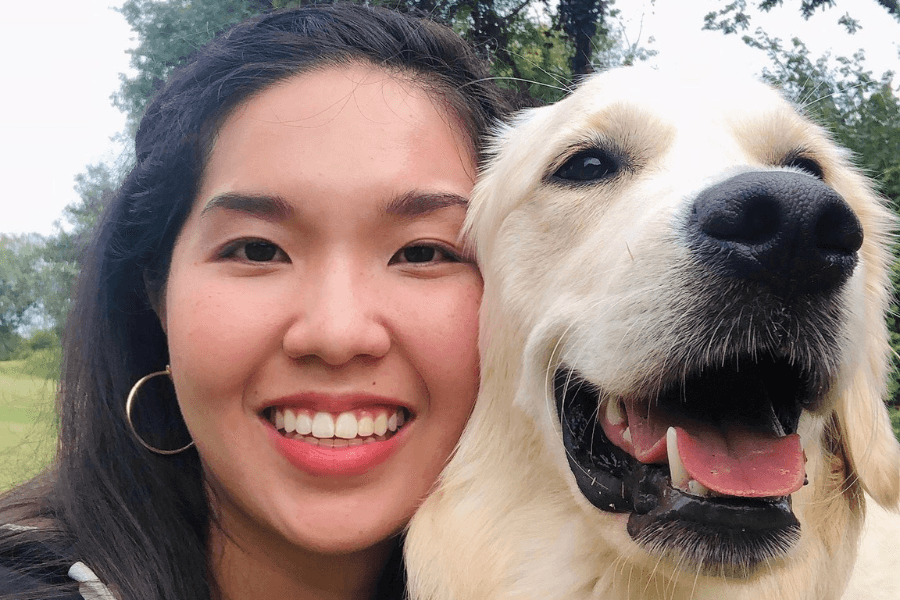
“Having her around helps us all physically because we go on more walks, which we would have never done before, and it also relaxes me mentally as I take time to go out rather than rushing around the house. The biggest surprise has been the people I meet when walking - I never realised how friendly dog owners are and there are ready made communities at the park you go to every day. I would recommend BorrowMyDoggy to anyone that loves dogs, but can't have one themselves." - Carolyn
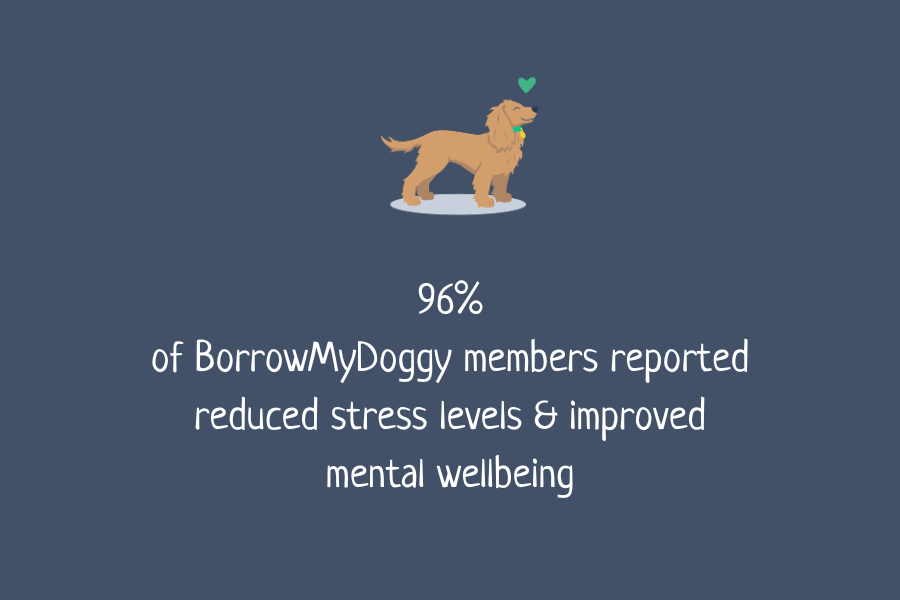
Research shows that the emotional and social support pets provide helps to buffer us from stress and recover from difficult situations. Spending time with a dog is a wonderful way to stay in the moment, (and stay off your phone) as well as incentivising healthy exercise. They can also help you form social connections, which are essential for improving your resilience.
As well as offering love and companionship, dogs act as social magnets, ice breakers and community builders. Harvard Medical School has highlighted that our four legged friends help to create human friendships and social support. One survey found that owning a pup was the third most common way that people met their neighbours. And even these “weak ties” - that is, low key and casual social bonds - really help improve our resilience and wellbeing.
Intrigued? You can learn more lessons about self care from dogs, or jump straight in and…